

Asbestos and dust disease
Asbestos and dust disease lawyers for New South Wales
Rogalski Lawyers act as asbestos lawyers for people in Sydney and New South Wales who have been diagnosed with mesothelioma, asbestosis, asbestos-related lung cancer, silicosis or another dust disease, and for their families. NSW has its own specialist tribunal and its own statutory scheme for these conditions, and both work differently from the rest of the country.
- Court for damages
- Dust Diseases Tribunal of NSW
- Court time limit
- Generally none for dust diseases
- Work exposure scheme
- icare Dust Diseases Care
- Fees
- No win, no fee*
Asbestos lawyers for Sydney and NSW
Rogalski Lawyers is a Brisbane firm whose national specialty is asbestos and silica dust disease claims. We act for people in Sydney, the Hunter, the Illawarra, the Central Coast and regional NSW, and for families after a death.
Our other claim types, such as workers’ compensation, CTP, public liability, TPD and medical negligence, are handled for Queensland matters only. Dust disease is different because working lives cross state lines, and a claim often needs to follow the exposure wherever it happened.
NSW has two features no other state has in the same form: a specialist court for dust diseases, and a dedicated statutory scheme for people whose disease came from NSW employment. Understanding how the two fit together is the starting point for any NSW claim.
The Dust Diseases Tribunal of NSW
The Dust Diseases Tribunal was established in 1989 under the Dust Diseases Tribunal Act 1989 (NSW). It has exclusive jurisdiction in NSW to hear claims for damages for dust-related conditions. The conditions it deals with are listed in Schedule 1 to that Act, and include mesothelioma, asbestosis, asbestos-related lung cancer, asbestos-related pleural disease and silicosis.
A few features matter in practice.
- The Claims Resolution Process. Asbestos-related damages claims go through a Claims Resolution Process under the Dust Diseases Tribunal Regulation 2019. It requires early exchange of information and particulars, with the aim of reducing cost and encouraging settlement. Claims involving mesothelioma or other cancers follow a faster timetable than non-malignant claims.
- Urgent claims. Where a plaintiff is gravely ill, the Tribunal can expedite the claim and remove it from the ordinary process. Evidence can be taken at a bedside hearing, and witnesses can give evidence by video link.
- Provisional damages. The Tribunal can award provisional damages where a person has a dust disease now and can show a chance of developing another in future. The claim is resolved for the present condition, with a right to return later.
Martin Rogalski, the firm’s principal, has trial experience in the Dust Diseases Tribunal of NSW and the Supreme Court of NSW, as well as the District and Supreme Courts of Queensland. He has worked in dust disease litigation since 2008.
Who a Tribunal claim is against
A damages claim is fault-based. It may be brought against a former employer, a manufacturer or supplier of asbestos or silica products, a building owner or occupier, or a principal contractor. Where a company has closed, the claim may be against its insurer or a successor. Identifying the right parties is one of the first pieces of work on every file.
icare Dust Diseases Care
icare Dust Diseases Care is the NSW statutory scheme for work-related dust disease, operating under the Workers’ Compensation (Dust Diseases) Act 1942 (NSW). It is separate from the Tribunal and is no-fault, so negligence does not need to be proved.
In general terms, eligibility requires:
- a dust disease covered by the scheme, such as mesothelioma, asbestosis, silicosis or asbestos-related lung cancer
- that the disease was caused by exposure to hazardous dust while you were employed as a worker in NSW
- a resulting disability affecting your capacity to work, or a need for treatment.
Benefits can include fortnightly payments, which may continue for life, medical and related expenses, and support for dependants, including funeral expenses. Payments can be reduced where the disability assessment is below 100 percent, where part of the exposure happened outside NSW, or where other compensation is being received. Coal mining exposure is dealt with under a separate arrangement.
Pleural plaques on their own are not compensable under the scheme, although icare offers monitoring for workers exposed to asbestos.
icare states that a common law lump sum from the Dust Diseases Tribunal does not reduce icare benefits. Many people run both claims side by side, and we help with the icare application as part of the overall claim.
Time limits for dust disease claims in NSW
For proceedings in the Dust Diseases Tribunal, the Limitation Act 1969 (NSW) does not operate to prevent dust-related claims being brought or maintained. In practical terms, the age of the exposure, or the time since diagnosis, does not usually bar a Tribunal claim.
That does not make timing irrelevant:
- Evidence fades. Co-workers become harder to find, and records are lost.
- Where a person is very unwell, their own evidence is central, and taking it early can make a real difference to the claim.
- Where someone dies before proceedings start, the damages the estate can recover may be different from those available if proceedings had already begun.
- Statutory schemes and superannuation policies have their own rules about when to lodge.
If the exposure happened in another state, that state’s law may govern parts of the claim, including time limits. This is common for people who worked in Queensland or elsewhere before moving to NSW.
Silicosis claims in NSW
Silicosis and other silica-related conditions are dust diseases for the purposes of both the Tribunal and icare Dust Diseases Care. Claims arise from engineered stone benchtop fabrication and installation, tunnelling, quarrying, construction, demolition, foundry work and abrasive blasting, among other work.
The manufacture, supply, processing and installation of engineered stone benchtops, panels and slabs has been banned nationally since 1 July 2024. The ban does not affect claims for exposure that happened earlier.
Silicosis can progress after exposure ends, and it is linked to other conditions, including lung cancer and some autoimmune diseases. That makes the availability of provisional damages in the Tribunal particularly relevant to silica claims. There is more detail on our silicosis claims page.
What to expect as a client in New South Wales
The practical arrangements are built around you:
- We come to you. We travel for statements, medical conferences and hearings, and we visit clients at home or in hospital.
- Phone and video first. The first conversation, and much of the early work, can be done without anyone travelling.
- Cross-border histories. Many NSW clients worked in Queensland, mining towns or other states at some stage. We gather the whole history, not just the NSW part.
- Choosing the forum. Where a claim could be brought in the Dust Diseases Tribunal or in another state’s courts, we compare the options on their merits before filing.
Asbestos exposure can come from many sources: trades such as carpentry, plumbing, electrical work and boilermaking; power stations, shipyards, railway workshops and factories; and home renovation, including cutting fibro or removing old flooring. The asbestos and mesothelioma claims page explains the diseases and the evidence in more detail.
How Rogalski Lawyers runs a NSW claim
The lawyer you speak to first is the lawyer who runs your claim. The firm keeps a deliberately low solicitor-to-client ratio, so you can reach the person handling your file. Martin Rogalski, the firm’s principal, is a Queensland Law Society Accredited Specialist.
Claims are run on a no win, no fee* basis. Legal costs can often be claimed in addition to compensation recovered. Interest is charged only on legal costs that remain unpaid. Disbursements, such as medical reports and filing fees, are separate and explained in writing before the claim starts. The firm does not use litigation funders.
For people in Queensland, the firm also runs workers’ compensation claims, TPD and superannuation claims and other compensation claims. Dust disease claims for people in other states are covered on our Melbourne, Canberra and Hobart pages.
If you or a family member has been diagnosed with a dust disease, you can request a free case review or call 1300 848 424.
Process
How a NSW dust disease claim runs
- 01
Free case review
A phone or video conversation with the lawyer who would run the claim, about your diagnosis, your working life and where you have lived. A family member is welcome to make the first call.
- 02
Exposure history
We rebuild where and when the exposure happened, from employment, super and tax records, co-workers and product records, and take a detailed statement, at your home or in hospital if that suits you.
- 03
Statutory claim
Where the exposure came from NSW employment, we help with the icare Dust Diseases Care application, so income and medical support can start while the damages claim runs.
- 04
Tribunal claim
Proceedings are filed in the Dust Diseases Tribunal, or another court where that is the better forum. Asbestos claims then move through the Claims Resolution Process.
- 05
Urgent evidence if needed
Where someone is gravely ill, we can ask the Tribunal to expedite the claim and take evidence early, including at a bedside hearing or by video link.
- 06
Resolution
We advise on settlement, including whether provisional damages should be sought, before anything is signed. If the claim does not resolve, it is run to hearing.
Team
The lawyers who run your claim
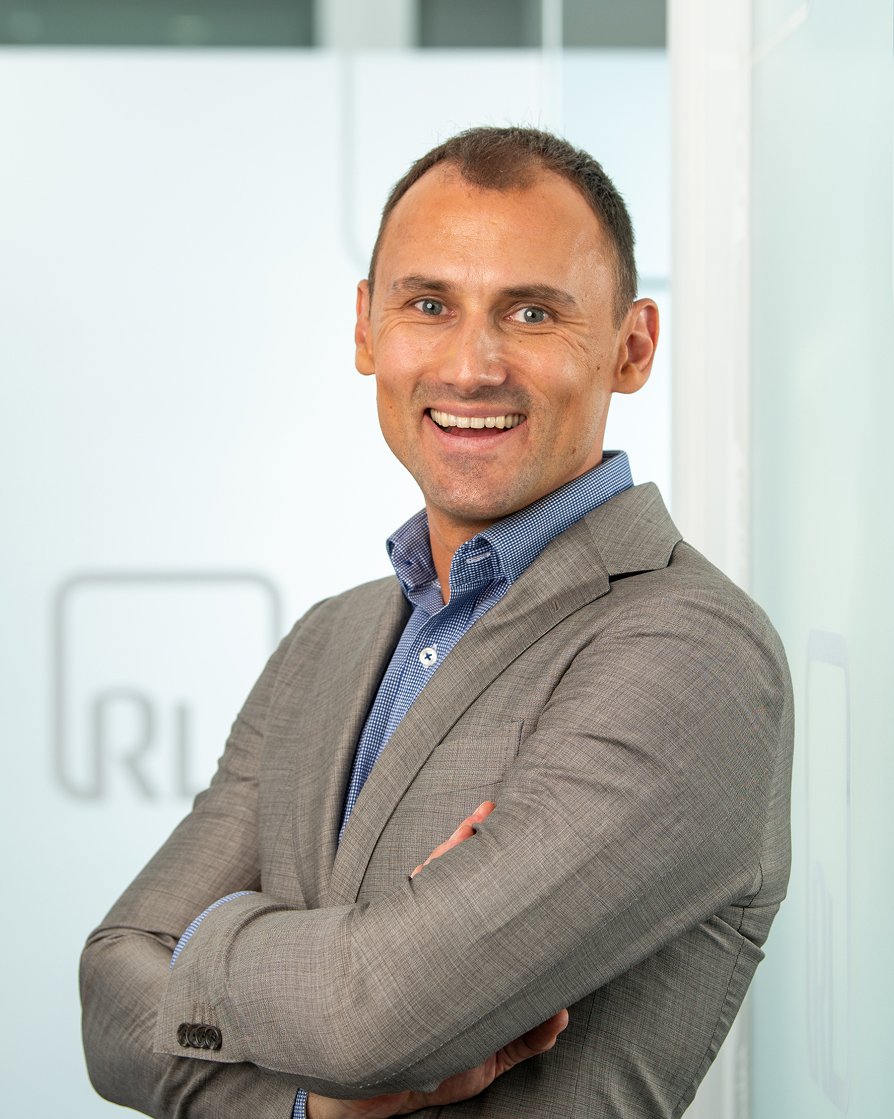
Martin and Sebastian Rogalski lead the firm. The solicitor you speak to first is the solicitor who runs your matter, and you will have their direct contact details for the life of the claim.
Meet the whole team
FAQ
Dust disease claims in New South Wales: common questions
If yours isn't here, ask. There's no charge for asking and no obligation to go further.
Request a free case reviewNot necessarily. The Tribunal deals with claims for dust-related conditions, and people who now live elsewhere sometimes bring claims there because of where the exposure happened or where a defendant is based. Whether the Tribunal is the right place for your claim depends on your exposure history and the parties involved, which is worked through at the start.
icare Dust Diseases Care is a no-fault statutory scheme for people whose dust disease came from employment in NSW. It pays ongoing benefits without anyone having to prove negligence. A Tribunal claim is a claim for damages against the parties responsible for the exposure, and fault must be established. Many people are eligible for both.
For proceedings in the Dust Diseases Tribunal, the NSW Limitation Act 1969 does not operate to prevent dust-related claims being brought. That means the age of the exposure, or the time since diagnosis, is not usually a bar in the Tribunal. Other claims, such as statutory benefits and superannuation, may have their own lodgement rules.
Ordinarily, a damages claim is resolved once and for all. In the Dust Diseases Tribunal, a person who has one dust disease and can show a chance of developing another can be awarded provisional damages. That allows compensation now for the current condition, with the right to return for more if a further condition, such as mesothelioma, develops later.
Generally, yes. The estate may be able to continue or bring a claim, and family members who depended on the person may have a claim of their own. In NSW, icare Dust Diseases Care can also provide benefits to eligible dependants of a worker. The rules on what the estate can recover differ depending on whether proceedings started before death.
That is a genuine choice in many cases. The claim might be brought in the Dust Diseases Tribunal, or in a Queensland court, and the law of the place of exposure generally governs parts of the claim. Martin Rogalski has run dust disease matters in both states, so the options can be compared on their merits for your situation.
Nothing. The first conversation is free and does not commit you to anything. If a claim goes ahead, it is run on a no win, no fee* basis, and legal costs can often be claimed in addition to compensation recovered. Disbursements are explained in writing at the outset.
Further reading
All guidesTime limits for a silicosis claim in Australia
The deadline depends on the state or territory, the type of claim and when you knew. Four places have no court deadline at all. What applies where, and what to do if the date has passed.
Is silicosis the same as asbestosis?
Both scar the lungs and the symptoms overlap, but they are different conditions caused by different dust. How the two are told apart, and why the distinction matters to a claim.
Related claims

Asbestos and mesothelioma
Mesothelioma, asbestosis, asbestos-related lung cancer and pleural disease. Handled Australia-wide, and the firm will travel to you.
Read more
Silica disease
Silicosis from engineered stone benchtop work, tunnelling and excavation through rock such as granite, grinding wheels and other silica dust exposure.
Read moreFree case review
Find out where you stand.
Tell us what happened and a lawyer will review it and call you back the same business day. There's no cost to finding out where you stand, and no obligation to go further.